During the 2021 and 2022 frenzy, a seller with an original 1983 copper supply line could list a house on a Thursday and have it under contract by Monday, often to a buyer who waived inspection contingencies just to win the bid. Whatever was happening inside the walls stayed inside the walls. Nobody had time to ask.
That is not the market anymore. East Cobb listings are sitting longer, price cuts have become routine on homes that would have moved in a weekend during the pandemic-era boom, and buyers who once skipped inspections to compete are now the ones asking pointed questions during due diligence. The plumbing risk in East Cobb's original 1970s through 1990s housing stock has not changed. What has changed is how much leverage a buyer now has when an inspector finds it.
That shift is the real story for anyone getting ready to sell a longtime family home in East Cobb, whether it is a downsizing move, an estate settlement, or a straightforward upgrade to something bigger.
The Water Authority Already Studied This
This is not a generic "old houses have old pipes" caution. The Cobb County-Marietta Water Authority, which supplies water to close to 200,000 homes and businesses across the county, took the pinhole leak problem seriously enough to commission a formal engineering evaluation. In 2018, researchers at Virginia Tech analyzed copper pipe samples pulled from Cobb County homes that had experienced pinhole failures, examining the interior pitting under lab conditions to understand what was driving the corrosion. A public water authority does not fund that kind of forensic study for a problem that is minor or rare. It funds it because the pattern showed up often enough, in enough homes, to be worth understanding at a systemic level.
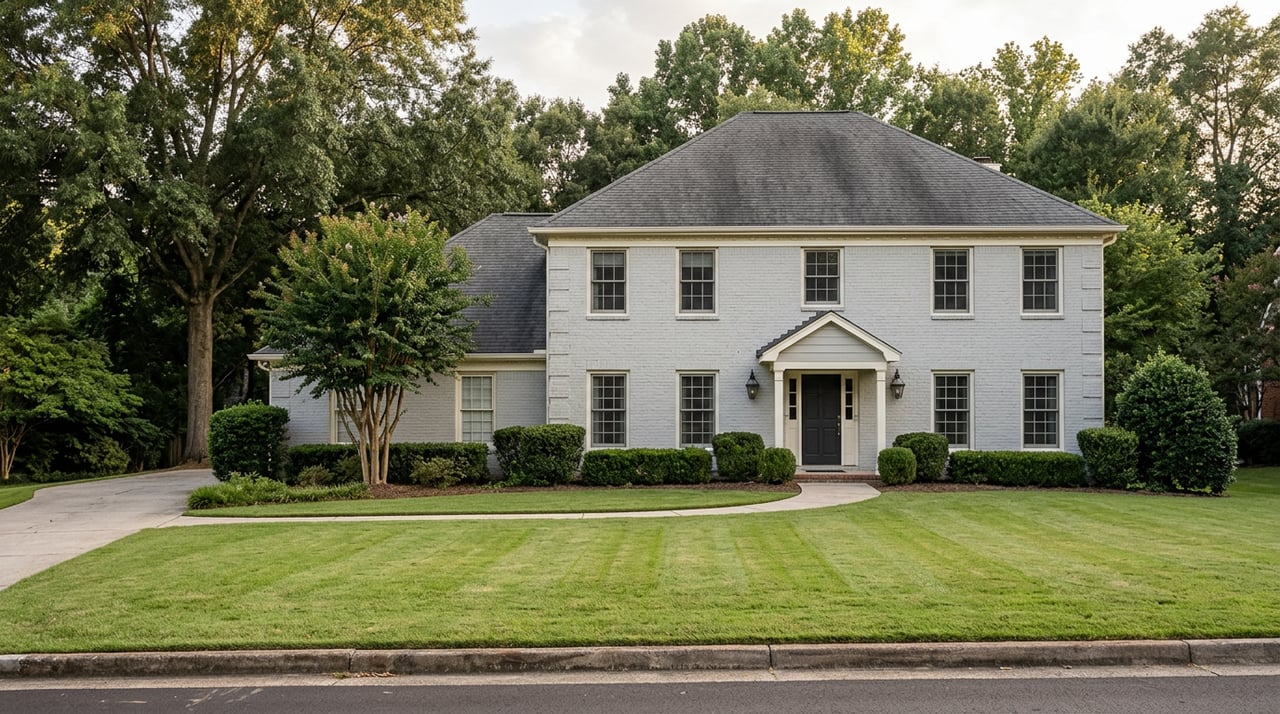
The homes most exposed are exactly the ones that make up so much of East Cobb's original housing stock: properties built from the 1970s through the 1990s in neighborhoods like Indian Hills, Timber Ridge, Murdock, and Shallowford Falls, where copper supply lines are now 30 to 50 years old. The research pointed to a combination of contributing factors rather than one single cause: pipe age, localized pitting corrosion that develops slowly on the interior wall, and in-home conditions like low-use, stagnant lines. None of that is unique to one house. It is a documented regional pattern tied to the water chemistry and construction era, and it is why a single pinhole leak in an East Cobb home this age often turns out not to be an isolated event but the first visible sign of a system reaching the end of its service life.
Two Materials, One Era
Copper pinholes are only half of what shows up in East Cobb inspections on homes from this era. The other is polybutylene, a gray plastic resin supply pipe, often stamped PB2110, that builders across the fast-growing Atlanta suburbs used heavily from about 1978 through 1995 because it was roughly half the cost of copper and far easier to run through tight framing. It looks intact from the outside for its entire working life, right up until it fails, because the degradation happens from the inside out as chlorine in treated water reacts with the plastic and causes internal micro-fractures. A visual check tells a plumber almost nothing about how close a given run is to failure.
For a seller, the practical markers worth knowing before an inspector finds them are straightforward:
- Gray (sometimes black or blue) plastic pipe under sinks, behind toilets, or near the water heater, often with copper or plastic crimp fittings at the joints
- A home built between 1978 and 1995, which covers a meaningful share of Marietta and East Cobb's housing stock
- Two or more pinhole leaks in copper plumbing, which plumbers in the area treat as a signal that the whole system, not just one spot, has reached the point where recurring repairs start costing more than a full replumb
The pipe hasn't gotten worse this year. The buyer sitting across the table asking about it has gotten more patient.
What Georgia Law Actually Requires, and What It Doesn't
Georgia is a buyer-beware state. There is no statute requiring a seller to fill out a formal property condition disclosure form, and plenty of longtime owners assume that means silence is a safe default. It isn't. Under Georgia Code Section 44-1-16, a seller who knows about a material defect, including one not obvious to a buyer on a casual walkthrough, has to answer honestly if asked directly. "As-is" doesn't change that. It only means the seller isn't agreeing in advance to make repairs, not that a known issue can go unmentioned. The Georgia Association of Realtors' standard disclosure form has become the practical norm across most residential transactions even though nothing in state law compels a seller to use it, largely because skipping it tends to invite the exact direct questions a seller would rather answer once, in writing, than field repeatedly during a due diligence period.
For a seller who already knows about a prior pinhole leak, a repiped section, or gray plastic supply line they have never had assessed, this is the part of the process where good faith and good strategy point the same direction. Answering honestly protects the seller from a post-closing dispute. It also happens to be the version of events a buyer's inspector is going to arrive at anyway.
Why This Year's Market Changes the Math
The frenzy of 2021 and 2022, when East Cobb listings routinely went under contract within days of hitting the market, has cooled into something slower across Cobb County, with more listings sitting through one or more price adjustments before a buyer commits. A buyer in a multiple-offer, waived-contingency market has no incentive to ask for a plumbing credit. A buyer touring a handful of comparable listings over several weeks, with time to schedule an inspector and read the report carefully, has every incentive to ask. That is the mechanism at work here. The underlying defect rate in East Cobb's original housing stock hasn't shifted. The number of buyers with the leverage and patience to negotiate over it has.
That is worth sitting with for a seller weighing whether to address a plumbing issue before listing or wait to see if it comes up. In a fast, low-inventory market, waiting cost very little. In a market where homes are taking longer to sell and buyers have more comparable options to walk away toward, an inspection-period plumbing surprise is far more likely to turn into a real credit negotiation than a shrug.
The Pre-Listing Move That Changes the Conversation
The pattern plumbers who work across Marietta and East Cobb describe consistently is this: proactive replacement, arranged on the seller's timeline before a home goes on the market, tends to cost less in total than the price concession a buyer negotiates after an inspector flags original polybutylene or a pattern of pinhole leaks. A repipe assessment on a home in this age range is a focused, relatively quick visit, and it converts an open question into a settled fact the seller can either disclose as resolved or price into the listing from day one.
For a downsizing owner or an estate executor managing a sale from a distance, this is also where a coordinated pre-listing process matters more than any single repair decision. Knowing what the plumbing actually is, having it documented, and deciding in advance how to handle it removes one more unknown from a transaction that already carries enough of them.
A Few Questions Worth Settling Before You List
Do I have to disclose a pipe issue I already repaired? Yes, if it's something you know about. Georgia's disclosure standard is based on your knowledge, not a time limit. A past leak that was properly fixed is worth mentioning, and most buyers read a documented repair as a point in the seller's favor rather than a red flag.
How do I find out if my home has polybutylene without tearing into walls? A licensed plumber can usually identify it during a focused visual assessment of accessible supply lines, typically under sinks, near the water heater, and in crawl spaces or attics. It's a much shorter visit than a full inspection and gives a definitive answer instead of a guess.
Does a repiped house actually sell better in East Cobb right now? With more inventory and longer time on market than the 2021-2022 peak, buyers have room to compare listings and negotiate on ones with open questions. A home with documented, updated plumbing removes one of the more common items that stalls or reprices a deal during due diligence.
If you're weighing whether to address plumbing before you list an East Cobb home, or you're managing a sale for a parent or family member and want a clear-eyed read on what to fix now versus disclose later, Jamie Grace Miller can walk through the specifics of your property and your timeline. Schedule a free consultation to start the conversation.