Wondering if you can get more space without giving up a practical trip into Atlanta? That question brings many buyers to Smyrna. If you are weighing commute time, housing options, and everyday convenience, this guide will help you see where Smyrna fits and what tradeoffs to expect. Let’s dive in.
Why Smyrna Stands Out
Smyrna sits about 10 miles northwest of Atlanta, and the city notes that downtown Atlanta is about a 15-minute interstate drive. At the same time, Census QuickFacts shows a 29.8-minute mean travel time to work for Smyrna workers. Put together, that suggests Smyrna can offer a close-in suburban base while still supporting a manageable in-town commute.
Location is a big part of the appeal, but it is not the whole story. For many buyers, the real value comes from having access to major roads, nearby job centers, and daily conveniences close to home. That mix can make your week feel easier, not just your drive.
Commute Access From Smyrna
Smyrna benefits from access to I-75, I-20, and I-285. That matters if your work takes you into downtown Atlanta, across the perimeter, or into nearby business districts. You are not relying on a single route, which can be helpful when your schedule changes.
South Cobb Drive is one of the key travel corridors in the area. The city and GDOT describe it as a regional corridor with direct connectivity between I-75 and I-285. Smyrna also says Atlanta Road provides one of the quickest routes to downtown clients, which adds another practical option for daily travel.
South Cobb Drive is important enough that Smyrna and GDOT are studying corridor improvements between Windy Hill Road and Concord Road. That does not guarantee a shorter commute today, but it does show how central this road is to local movement. If you are comparing areas, that kind of infrastructure focus is worth noting.
Nearby Job Hubs Matter
If you work near Cumberland, Smyrna may deserve a hard look. Smyrna’s economic development materials highlight proximity to the Cumberland-Galleria employment center. Cumberland district sources describe that area as Atlanta’s fifth largest job center and a major business, culture, and entertainment destination.
That means Smyrna is not only about commuting into downtown Atlanta. It can also work well if your office, clients, or routine centers on Cumberland and nearby commercial areas. For some buyers, being close to a major employment hub outside downtown is the real advantage.
Daily Life Can Feel Easier
A good commute is not just about minutes in the car. It is also about how much of your life you can keep close to home. Smyrna has invested in a mixed-use downtown core that supports day-to-day convenience.
The Village Green includes the public library, community center, City Hall, and public safety facility. Market Village is described as the social center and includes townhomes, retail, office space, and restaurants. The city also notes that downtown is served by restaurants and boutique shops, along with a walking trail, an arboretum, a nearby pond, and a broader parks system.
Smyrna says the Village Green and Market Village are surrounded by 33 acres of parks and green space within one mile of downtown. For you, that can mean fewer long drives for errands, dining, or outdoor time. When more of daily life happens nearby, the work commute can feel more manageable overall.
Transit Is Limited but Useful
Most Smyrna commuters will still depend on driving, but there is a transit backup. CobbLinc Route 20 connects the Marietta Transfer Center, South Cobb Drive, Cumberland Mall, and the Cumberland Transfer Center. Cobb County also says the system includes local routes, transfer centers, a free circulator, and microtransit.
That setup will not replace a car for most buyers. Still, it can help on occasional car-light days, for some reverse commutes, or when you want a park-and-ride option. If having even a modest transit alternative matters to you, Smyrna offers more flexibility than some purely drive-only suburban locations.
What Homes Look Like in Smyrna
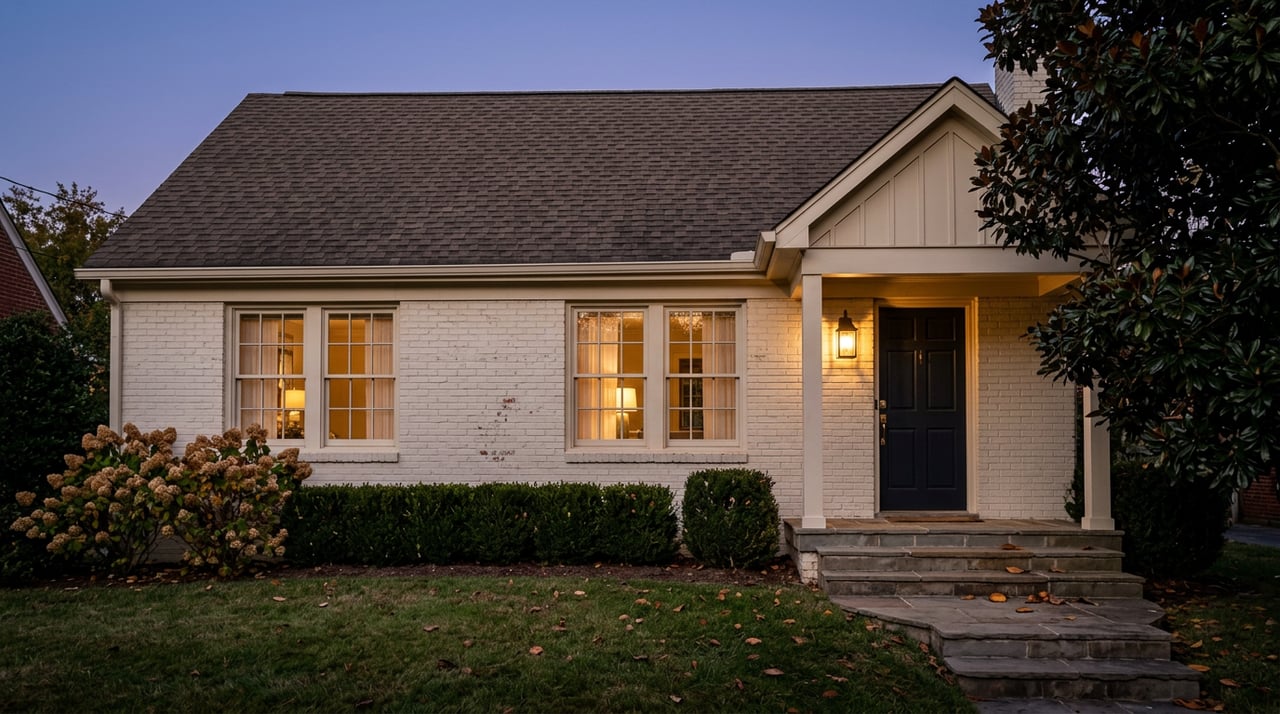
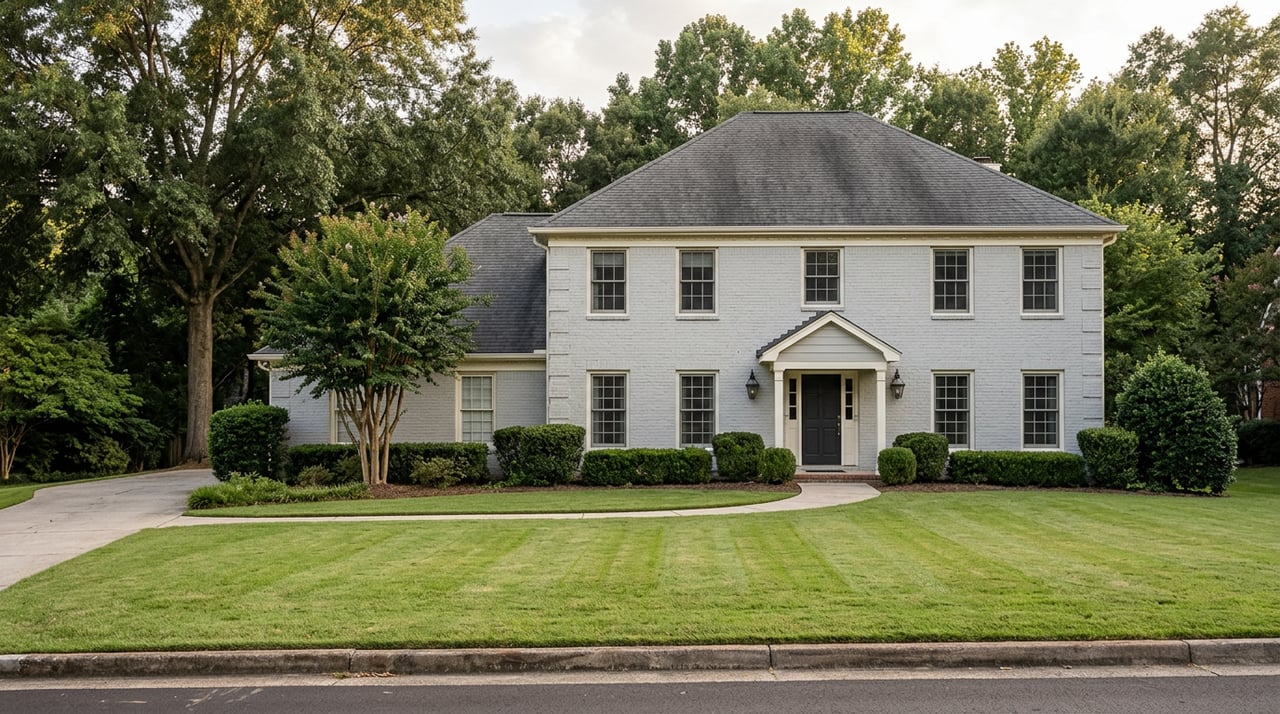
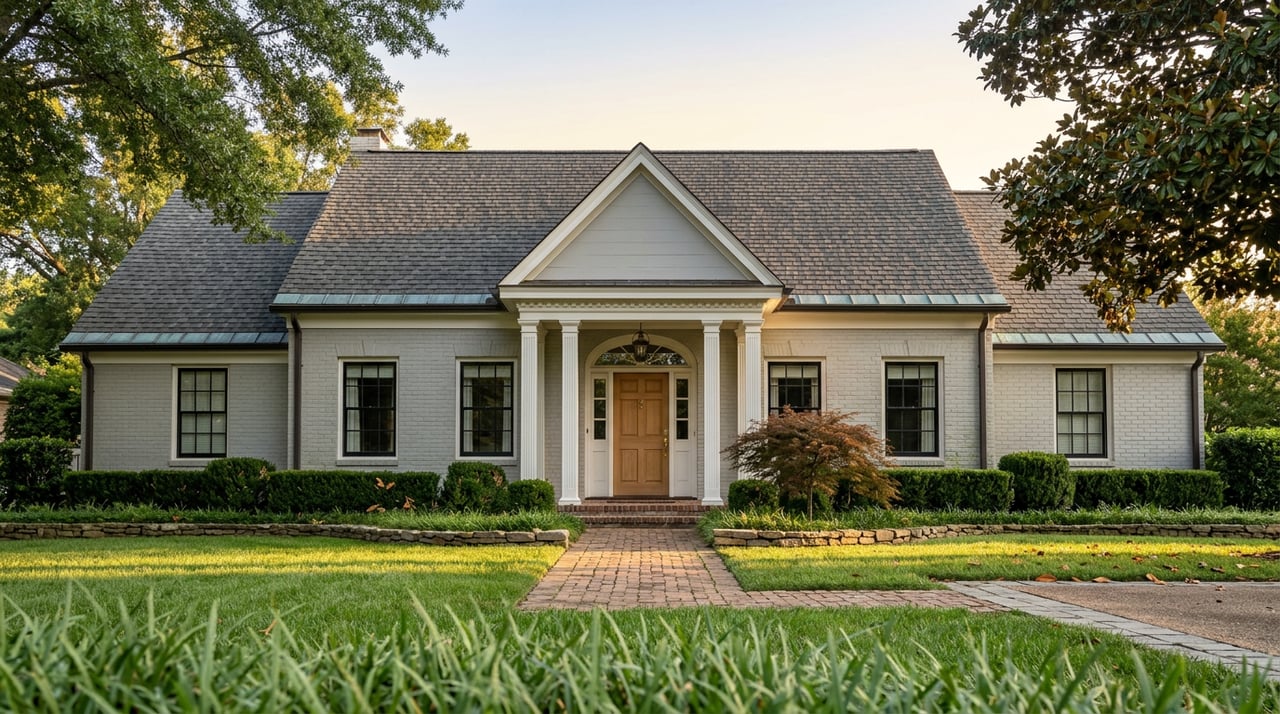
Smyrna is not a one-style market. The city’s neighborhood guide points to Craftsman and Victorian homes in Williams Park, mid-century homes in Smyrna Heights, ranch homes in Bennett Woods and Cheney Woods, townhomes in Market Village, and larger-lot homes with amenities in Vinings Estates. The city also notes that new infill and new construction sit alongside older neighborhoods.
That variety gives you options if your commute goals are tied to a certain lifestyle. You may prefer a townhome near downtown amenities, a ranch home with a shorter-maintenance setup, or a single-family home with more space. Smyrna can appeal to first-time buyers, move-up buyers, and households looking for a practical next chapter.
What Price Range to Expect
Smyrna’s prices generally sit above Georgia’s statewide median. Recent snapshots vary by source and metric, but they point to a similar range. Zillow reported a median sale price of $442,333 in late February 2026, Realtor.com reported a median listing price around $455K and a median sale price of $467.5K, and Redfin reported a March 2026 median sale price of $565K.
For context, Realtor.com put Georgia’s median home sale price at $379K. Taken together, those figures suggest Smyrna generally falls in the mid-$400Ks to mid-$500Ks. In practical terms, attached homes and older housing stock may sit closer to the lower end, while renovated or larger single-family homes can push higher.
Is Smyrna a Good Fit for You?
Smyrna can be a strong fit if you want suburban living without feeling disconnected from Atlanta. It offers access to major interstates, proximity to the Cumberland-Galleria job center, and a downtown area that supports everyday convenience. Those are meaningful advantages if your work and lifestyle stretch across multiple parts of metro Atlanta.
The main tradeoff is price. Smyrna is usually not the lowest-entry option, so you may be paying more for the location and convenience. If your budget and commute priorities align, that premium may feel well worth it.
You may want to focus on Smyrna if these points sound familiar:
- You work in downtown Atlanta, Cumberland, or nearby business corridors
- You want more space than intown neighborhoods often offer
- You value quick access to highways for changing schedules
- You want restaurants, parks, and civic amenities close to home
- You are open to a market that often sits above the statewide median price
How to Evaluate Smyrna Before You Buy
Before you choose any neighborhood, test how Smyrna fits your real routine. Drive your likely route during the times you would actually travel. Look at how often you need interstate access versus local errands and how much value you place on being near downtown Smyrna or Cumberland.
It also helps to compare housing style, maintenance needs, and budget side by side. A townhome near Market Village may solve one set of priorities, while a ranch or larger single-family home may better fit another. The right answer depends on what you want your weekdays and weekends to look like.
If you are balancing commute goals with a move-up purchase, a first home, or a life-stage transition, clarity matters. The best choice is not just the shortest drive. It is the place that supports the way you actually live.
If you are trying to decide whether Smyrna makes sense for your next move, Jamie Grace Miller can help you compare neighborhoods, price points, and daily lifestyle tradeoffs with a local, thoughtful approach.
FAQs
Is Smyrna, Georgia good for commuting to Atlanta?
- Smyrna can be a strong option for commuting to Atlanta because it is about 10 miles northwest of the city, has access to I-75, I-20, and I-285, and has a reported mean travel time to work of 29.8 minutes for Smyrna workers.
Is Smyrna, Georgia close to the Cumberland job center?
- Yes. Smyrna’s economic development materials highlight its proximity to the Cumberland-Galleria employment center, which Cumberland district sources describe as Atlanta’s fifth largest job center.
Does Smyrna, Georgia have public transit options?
- Smyrna has limited but useful transit through CobbLinc, including Route 20, plus a broader system with local routes, transfer centers, a free circulator, and microtransit.
What kinds of homes can you find in Smyrna, Georgia?
- Smyrna offers a varied housing mix, including Craftsman and Victorian homes, mid-century homes, ranch homes, townhomes, larger-lot homes, and some new infill and new construction.
What is the typical home price range in Smyrna, Georgia?
- Recent market snapshots suggest Smyrna generally falls in the mid-$400Ks to mid-$500Ks, though pricing varies by source, property type, condition, and size.