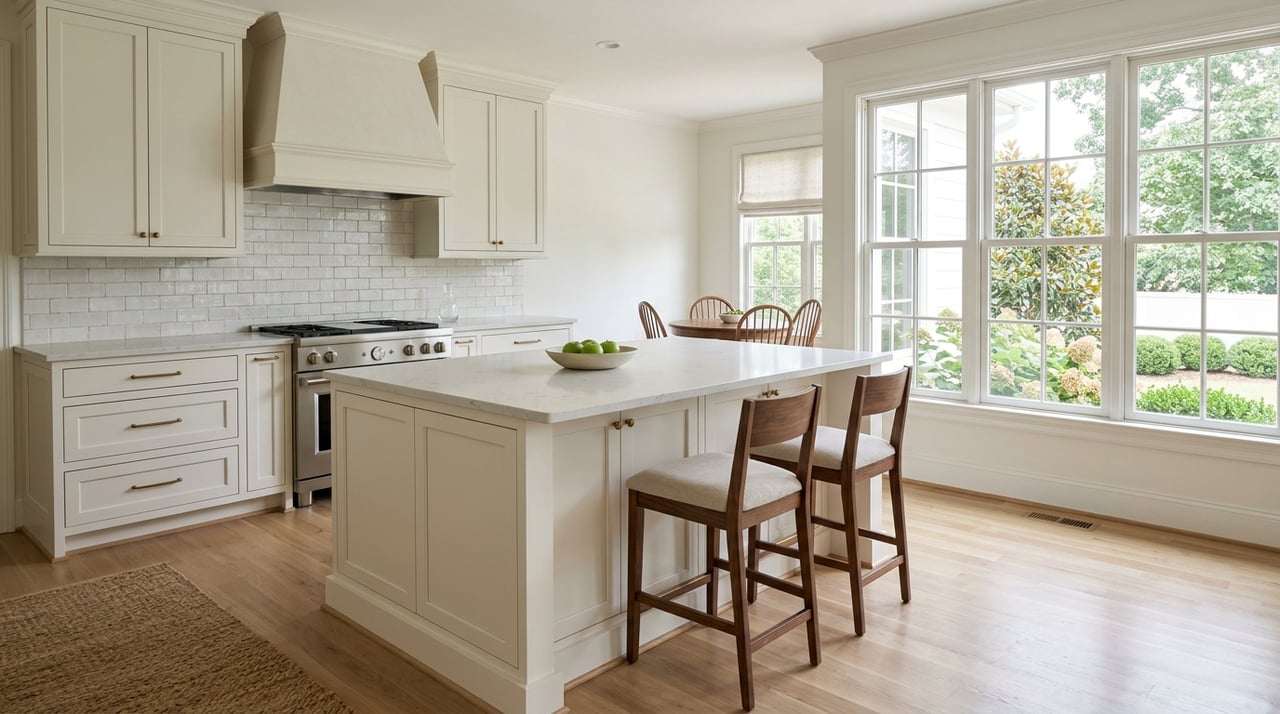
Buying your first home in Woodstock can feel exciting one minute and overwhelming the next. If you are trying to figure out prices, financing, closing costs, and which part of town fits your day-to-day life, you are not alone. The good news is that you do not need to have every answer before you begin. With the right plan, you can move forward with more clarity and less stress. Let’s dive in.
Understand the Woodstock market first
Before you start touring homes, it helps to know what you are stepping into. Woodstock is an established suburban market with a mix of ownership costs, commuting considerations, and different housing types depending on where you look.
According to the U.S. Census Bureau’s Woodstock quick facts, the city had an estimated 39,381 residents in 2024, with 65.7% owner-occupied housing. The same source reports a median owner-occupied home value of $387,300, median monthly owner cost with a mortgage of $1,943, and a mean travel time to work of 29.5 minutes.
When you look at current resale pricing, Woodstock is generally landing in the mid-$400,000s. Redfin’s Woodstock housing market data reported a February 2026 median sale price of $436,031 and 77 median days on market, while Zillow reported a January 2026 typical home value of $450,301 and 51 days to pending. Since those sources use different methods, it is smart to treat them as a price range, not one exact number.
That range matters because it shapes your search from day one. If you are buying for the first time, knowing your likely monthly payment, cash needed at closing, and commute tradeoffs will help you search with confidence instead of guessing.
Know what types of homes to expect
One of Woodstock’s advantages for first-time buyers is variety. You are not limited to one housing style or one neighborhood pattern.
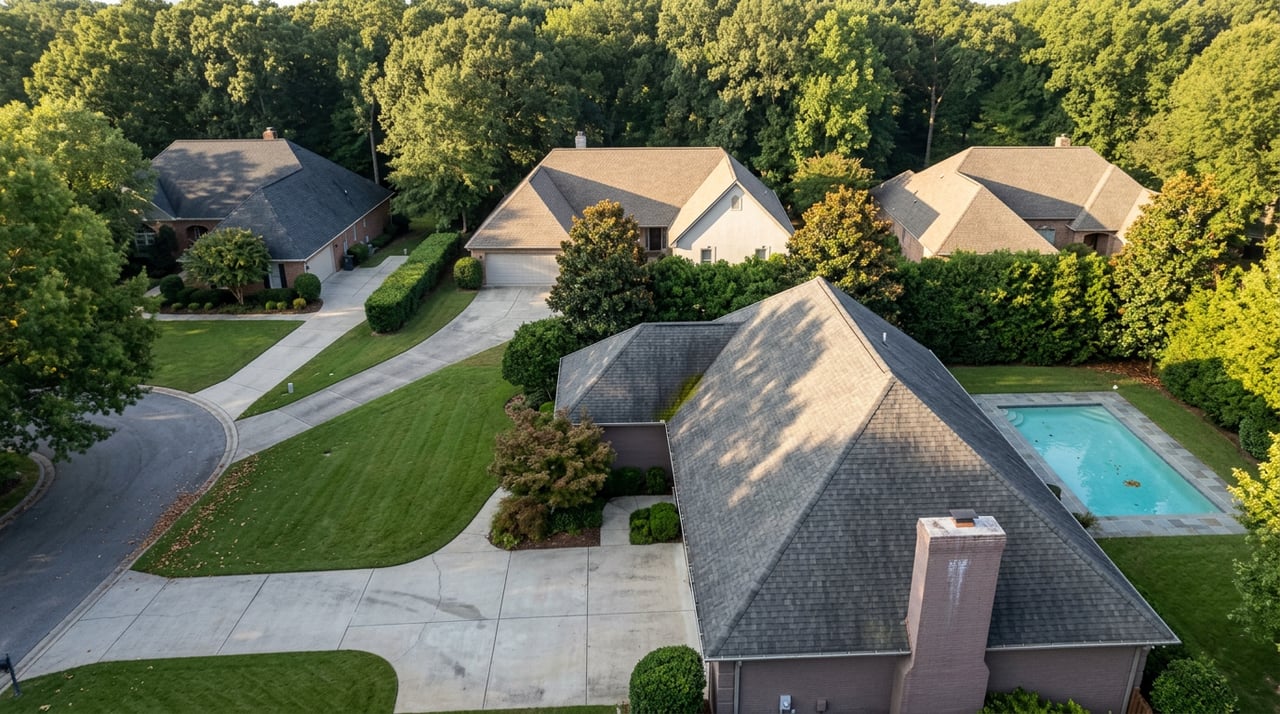
The city’s zoning map includes single-family districts, higher-density residential areas, townhome districts, and downtown mixed-use zones. The city notes that downtown zoning is designed to preserve traditional development patterns and support a pedestrian-oriented environment, which helps explain why some parts of Woodstock feel more walkable while others feel more suburban and car-oriented.
That means your search can include:
- Detached single-family homes
- Townhomes
- Higher-density residential options
- Mixed-use areas near downtown
The public GIS resources also show subdivisions, sidewalks, ADA inventory, and the Greenprints trail system. In real life, that means one section of Woodstock may offer a more connected streetscape or trail access, while another may be better suited for buyers who prioritize lot size or quick road access.
Start with preapproval
If you want to get started the right way, preapproval should come before home tours. It helps you understand your real budget and shows sellers that you are serious.
The Consumer Financial Protection Bureau’s preapproval guidance says a preapproval letter helps you shop and is often requested by sellers. It is important to know that preapproval is not a guaranteed loan offer, and it usually expires after 30 to 60 days.
That timing matters in Woodstock, where homes are still moving, even if the market is only somewhat competitive. If you wait until after you find a home you love, you may lose valuable time getting paperwork together.
Compare lenders, not just rates
Many first-time buyers talk to one lender and stop there. That can be an expensive mistake.
The CFPB recommends asking multiple lenders for Loan Estimates. Lenders must provide a Loan Estimate within three business days after you submit six basic pieces of information, and you do not need a signed purchase agreement to request one.
Even better, the CFPB says comparing offers can potentially save borrowers $600 to $1,200 per year. When you compare lenders, do not look only at the interest rate. Also review lender fees, projected monthly payment, closing costs, and whether the loan structure truly fits your goals.
Budget beyond the down payment
This is where many first-time buyers get caught off guard. Your down payment is only part of the upfront cash you may need.
The CFPB says closing costs typically run 2% to 5% of the purchase price, separate from the down payment. On a home in the mid-$400,000s, that can add up quickly, so it is worth planning for early.
In Georgia, buyers may also need to budget for:
- Prorated property taxes
- Prorated utilities
- Homeowner’s insurance
- Interest from closing until the first mortgage payment is due
Georgia consumer guidance also notes that a typical existing-home closing period is 30 to 90 days. That timeline affects inspections, appraisal scheduling, moving plans, and how quickly you need to have your finances organized.
Explore Georgia Dream assistance
If you are worried that buying in Woodstock is out of reach, do not assume you have no options. State programs may help, especially if you are a first-time buyer with steady income but limited upfront cash.
According to Georgia.gov’s Georgia Dream program page, Georgia Dream offers affordable financing plus down payment and closing-cost assistance for eligible buyers. The current program information also includes a first-time-buyer-only option with a sales price limit up to $550,000.
The same source lists income limits of:
- $130,290 for 1 to 2 person households
- $149,833 for 3 or more person households
Homebuyer counseling is required, and the average Georgia Dream process takes about 60 days from application to closing. If you think you may qualify, it is wise to ask about this early because program timing can affect your home search strategy.
Factor in commute and daily routines
A home can look perfect online and still feel wrong once you map your real week. For many Woodstock buyers, commute planning should be part of the first conversation, not the last.
Woodstock’s mean travel time to work is 29.5 minutes, according to the Census. That may not sound long on paper, but your experience can vary depending on where you need to go, what time you leave, and whether you rely mainly on driving.
The city’s public works GIS tracks sidewalks and the Greenprints trail system, which can add flexibility for short trips and recreation. At the same time, Cherokee County transportation guidance indicates that Woodstock riders who previously used Xpress commuter service may now need to shift to Town Center/Big Shanty for service, about 7 to 10 minutes south along I-575, following system changes that affected the Woodstock route.
For most first-time buyers, the practical takeaway is simple: start with road access, then treat transit access as a bonus if it fits your routine.
Look at each area with fresh eyes
Because Woodstock includes detached homes, townhomes, downtown-oriented districts, and more traditional subdivisions, your day-to-day experience can change a lot from one pocket of the city to another.
As you compare properties, think beyond the house itself. Ask how the location supports your actual life, including commuting, errands, walking routes, and recreation. A home that seems slightly smaller or less updated may still be the better fit if the location works better for you.
A simple checklist can help you stay grounded during showings:
- How long is the drive during your real commute window?
- Do you want a detached home or lower-maintenance townhome?
- Would sidewalk or trail access improve your routine?
- How much monthly payment feels comfortable, not just possible?
- How much cash do you want to keep in reserve after closing?
Plan for closing day early
The last stretch of the transaction can feel fast, especially if it is your first time. A little preparation goes a long way.
The CFPB says your lender must deliver the Closing Disclosure at least three business days before closing. That gives you time to compare the final terms and costs against your original Loan Estimate and ask questions before signing.
It is also helpful to remember that some closing services can be shopped for, including title-related services in many cases. If you are trying to keep costs under control, this is another reason to stay organized from the beginning instead of waiting until the final week.
If you plan to occupy the home as your primary residence, there is one more local detail to keep on your radar. The Cherokee County homestead exemption page says applications must be filed in person at the Tax Assessor’s Office in Canton by April 1, with a Georgia driver’s license and settlement statement or warranty deed. The standard exemption can reduce assessed value by $2,000 for state and school taxes and $5,000 for county taxes.
Confidence comes from a clear plan
Buying your first home in Woodstock does not require perfect timing or perfect knowledge. It requires a clear budget, strong financing prep, realistic expectations about closing costs and commute patterns, and a smart understanding of the local housing mix.
When you take those steps in order, the process becomes much more manageable. You can shop with purpose, make stronger decisions, and feel more confident when the right home comes along.
If you are ready to take the next step, Jamie Grace Miller offers thoughtful, high-touch guidance to help you navigate the Woodstock market with clarity from day one.
FAQs
What is the typical home price range for first-time buyers in Woodstock?
- Current market snapshots place Woodstock generally in the mid-$400,000s, with reported figures ranging from about $436,031 to $450,301 depending on the source and methodology.
What should first-time buyers in Woodstock budget besides a down payment?
- You should also plan for closing costs, which the CFPB says are typically 2% to 5% of the purchase price, plus possible prorated taxes, utilities, homeowner’s insurance, and prepaid interest.
How long does a home closing usually take in Georgia?
- Georgia consumer guidance says a typical existing-home closing period is about 30 to 90 days.
What is Georgia Dream for eligible first-time buyers in Woodstock?
- Georgia Dream is a state program that offers affordable financing plus down payment and closing-cost assistance for eligible buyers, and it requires homebuyer counseling.
How important is commute planning when buying a home in Woodstock?
- Commute planning is very important because Woodstock is still a drive-first market for many households, and your daily experience can vary a lot based on road access and changing transit options.
Can a Woodstock buyer apply for a homestead exemption in Cherokee County?
- Yes, if you occupy the home as your primary residence, you may qualify, but you must apply in person by April 1 and provide the required documents listed by Cherokee County.